

Permaculture in Practice
with Kyle Smith
Five days during the part of the year when next season's growing begins. Take cuttings, sow seed, build compost, and learn to read the soil you work with.
This is not a lecture course. You learn by doing, with the time and attention to understand why you do it that way.
No prior experience needed.
Join with a friend and receive 10% off • Early bird 10% available till 30 November • One offer per booking
Why Soil and Propagation?
Almost everything else rests on these two things. Soil is what you manage, whatever you grow in it. And propagation is how you end up with plants that suit your site, rather than plants that suited a nursery two hundred kilometres away. At homestead and garden scale, it also makes planting affordable in a way that buying plants never will.
Permaculture is the design framework we use to connect them, but the skills stand on their own. Learn to build fertility and grow your own plants, and you can start improving your land.

The A Quinta da Lage Land as Classroom
A Quinta da Lage is a 130-hectare regenerative farm near São Luís in the Alentejo. It is not a demonstration site or a model garden. It is a working, evolving farm with active agroforestry systems, water-retention landscapes, regenerative agriculture, and a year-round community that lives and works here.
January is the wet, quiet part of the year here. The rains have come, the ground is soft, the deciduous trees are dormant, and the summer pressure is off. For anyone who intends to plant, this is the working month. Cuttings strike now. Compost built now is ready for spring. Move bare-root plants now, or wait a year.
You will work in the propagation areas and nurseries, in the growing areas, and across ground at various stages of recovery from degradation. For the duration of the course, you are part of the A Quinta community, sharing meals from the farm kitchen, participating in daily land work, and living within a place that has made a genuine commitment to doing things differently.
-
No prior experience is required. If any of this describes you, you are in the right place:
A gardener or grower who wants to raise plants rather than buy them
Someone planning an orchard, food forest, or hedge and looking at the cost of the plant list
Someone who has completed a PDC and wants practical confidence in the groundwork
A smallholder or homesteader who wants to understand soil rather than follow recipes
Anyone interested in nursery work, seed saving, or plant conservation
Someone who learns best by doing, observing, and reflecting
You do not need to own land to benefit from this course. A windowsill and a few pots are enough to start using what you learn here.
-
Each day centres on direct engagement with the farm. Sessions connect practical work to the ecological thinking behind it. Learning happens through doing and noticing.
You will:
Build compost from what is available on the farm, and learn to read a pile for moisture, air, and balance rather than following a formula
Assess soil in the field, structure, moisture, life and fertility, and understand what those observations tell you to do next.
Take hardwood and semi-ripe cuttings, and understand why winter timing suits them.
Divide perennials and lift, move, and plant dormant stock
Sow seed that needs winter cold, working with dormancy rather than against it
Set up and run a propagation area: growing media, containers, watering, protection, and keeping records that are actually useful
Understand how soil building and propagation feed each other, and what each contributes to a system that holds together over time
There is also time to slow down, ask questions, and reflect. That rhythm of doing and noticing is where real learning happens.
-
Practical propagation skills you can use anywhere with simple equipment
The ability to look at a soil and decide what it needs
An understanding of compost as a living process rather than a recipe
Experience of a working nursery in its busiest season
The confidence to grow your own planting stock instead of buying it
About the Facilitator Kyle Smith
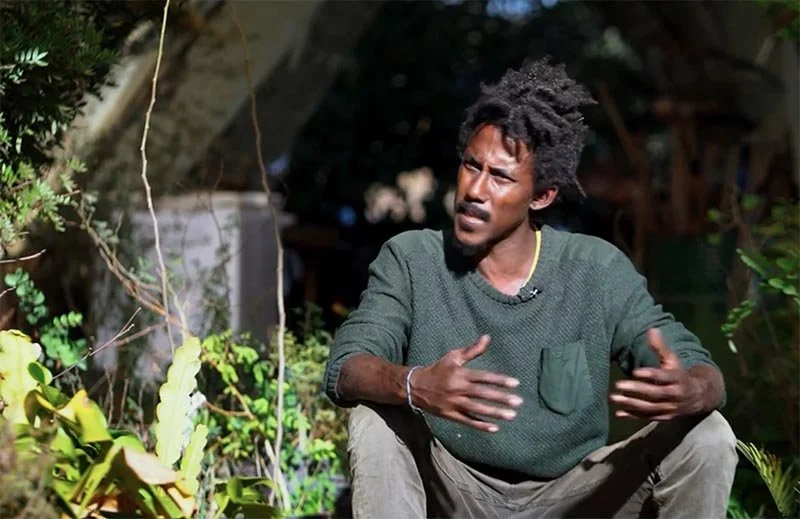
Kyle Smith has spent his adult life learning from land and sharing what he finds there. He trained in horticulture, completed an internship at Soil for Life in Cape Town, worked at Kirstenbosch Botanical Gardens, conserving indigenous plant species and establishing education gardens, and spent three years at Panya Project in Thailand, facilitating permaculture and organic gardening courses.
He is now based in southern Portugal, building Casa Tartaruga, a regenerative homestead rooted in small-scale food production, plant conservation, and propagation. His work centres on planetary regeneration through individual empowerment: the belief that education and hands-on capacity building, multiplied across many people and places, is one of the most meaningful contributions a person can make.
His teaching is unhurried, practical, and grounded in genuine curiosity about how living systems work.
Location & Logistics
Step into a lifestyle of regenerative practice on our 130-hectare farm. Beyond the canopy and the food forests, you’ll gain firsthand insight into intentional living and what it means to care for the land in cooperation with others.
Included in the fee:
● 3 wholesome vegetarian meals/day
● All tools, materials & tuition
● Stays in Campervan/Tent:
Private rooms/cottages available on request (extra fee).
Prices
€485 with your own caravan or tent
€555 with accommodation in dormitory
Join with a friend and receive 10% off • Early bird 10% available till 30 November • One offer per booking
We have private cottages, rooms and bell tents available, if you prefer this option please contact us to inquire about availability and pricing.
Your course fee supports both our facilitators and the ongoing regenerative projects at A Quinta.
How to Book:
Click "Book Now" to fill out our registration form.
After submitting, you will be redirected to Stripe link to pay a non-refundable deposit to secure your spot.
The remaining balance is due upon arrival (Cash or Bank Transfer).
Ready to join us?
We keep the group small, usually around 8 to 12 people. If this course has been on your mind, now is a good time.
Note: If we cancel the course, your deposit is refunded in full. If you cancel less than 7 days before the start, we ask for 75% of the total fee to cover our costs.