

Permaculture Design Course
with Kyle Smith
Spend two weeks on a working regenerative farm in southern Portugal. Learn how to read a landscape, build healthy soil, manage water, propagate plants, and design systems that produce food and support life.
This course gives you the Permaculture Design Certificate and a practical foundation for using it. Whether you are starting from scratch or looking to deepen what you already know, you will leave with skills, a completed design, and a way of thinking about land that is genuinely useful.
No prior experience needed.
Join with a friend and receive 10% off • Early bird 10% available till 17 September • One offer per booking
Why learn Permaculture?
Permaculture is a design methodology for creating systems that are productive, resilient, and regenerative. Drawing from traditional land knowledge, ecology and systems thinking to help people make better decisions about land, resources, and community.
The PDC is the recognised entry point into that body of knowledge. It gives you a common language, a design process, and the conceptual tools to keep learning and applying long after the course ends.
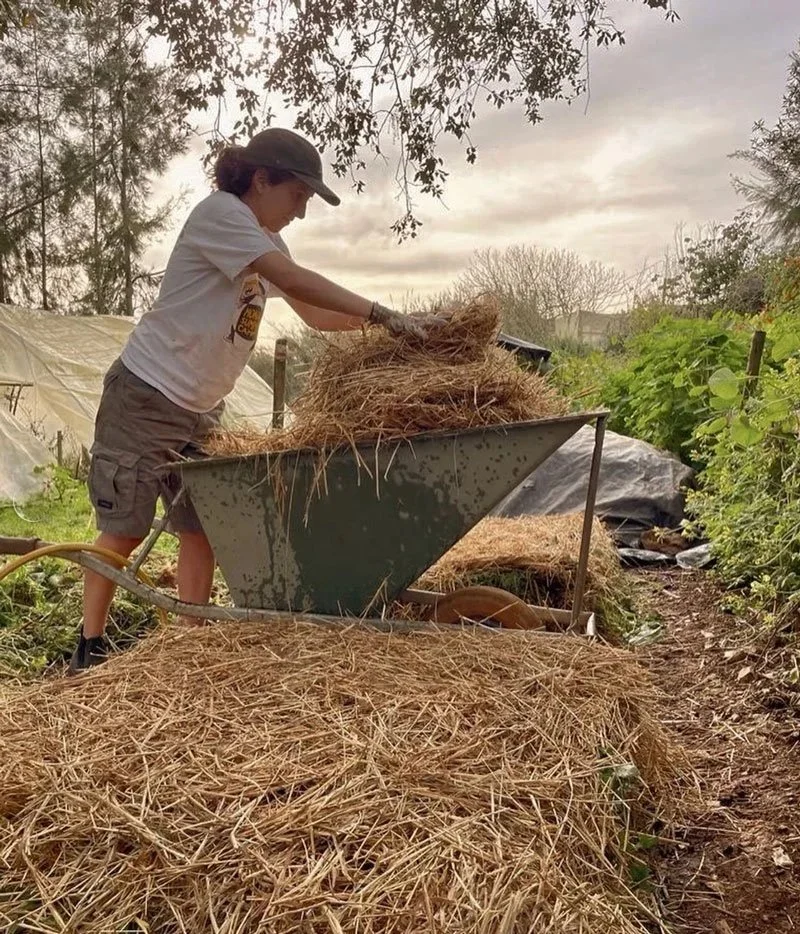
The farm includes:
Agroforestry and food forest systems at various stages of development
Water retention earthworks, including swales, ponds, and landforms designed to hold and slow rainfall
Regenerative growing areas working with soil biology and seasonal rhythms
Natural building projects using locally sourced materials
Nurseries and propagation areas
Ecological restoration work on previously degraded land
Off-grid energy, water, and waste systems
You will move through all of it with intention, learning to read what you see, ask useful questions, and understand the decisions that have shaped what has been built here over many years.
For the duration of the course, you are part of the A Quinta community, sharing meals from the farm kitchen, participating in daily land work, and living alongside the people who call this place home.

-
No prior experience is required. If any of this describes you, you are in the right place:
Curious about permaculture and wanting a thorough, grounded introduction
A gardener, grower, or homesteader wanting a deeper ecological understanding
Someone with land, or planning to have it, who wants to design it well
A designer, educator, or community organiser wanting systems thinking tools
Someone looking for a career change toward regenerative work
Interested in intentional community or cooperative living
A post-PDC practitioner wanting more practical confidence
Someone who wants two weeks of immersive learning on a working farm
You do not need to own land to benefit from this course. The thinking and skills you develop here apply wherever you are.
-
Over two weeks, we cover the 72 hours of coursework required for the Permaculture Design Certificate. Every topic is taught in connection with the land around us, combining structured sessions, field observation, practical work, and group discussion.
Foundations
Permaculture ethics, principles, and philosophy and how they apply in practice
Systemic thinking: connections, feedback loops, and leverage points
Patterns in nature and how to use them in design
Methods of design: moving from observation to a coherent plan
Land and Water
Reading climates and working with them across all major climate zones
Water: catchment, storage, distribution, and conservation
Earthworks: shaping land to hold water and support ecological recovery
Soil: biology, structure, fertility, and how to build it over time
Plants and Food Systems
Trees, forests, and forest gardening: mimicking natural systems for food, fibre, and fodder
Gardening: growing organic food at any scale
Holistic management: working with animals to regenerate land
Natural Building
Building with locally sourced natural materials, including earth, straw, stone, and timber
How natural buildings relate to site, climate, and ecology
Practical techniques and design principles for low-impact structures
Community and Systems
Alternative systems: community living, bioregional organisation, local economies
Appropriate technology: low-impact energy and resource systems
Zone 00: personal development and self-empowerment as part of design practice
Design Project
Participants co-create a final design for a real site, either their own land or a provided project, with facilitator support throughout. This is where the course material becomes something you have actually used. You work through a real problem, make real decisions, and present a real outcome.
If you have your own land or project you would like to design, get in touch before the course and we can help you prepare.
-
A Permaculture Design Certificate, internationally recognised
A completed design project you can continue developing
Practical skills in soil care, water management, plant propagation, and garden establishment
Experience with natural building materials and techniques
Confidence reading and interpreting landscapes and ecological systems
A design methodology you have worked through in practice
Connections with a community of practitioners
Two weeks of lived experience inside a working regenerative community
A way of seeing the world that does not switch off when you leave
Join with a friend and receive 10% off • Early bird 10% available till 17 September • One offer per booking
Meet the Facilitator Kyle Smith
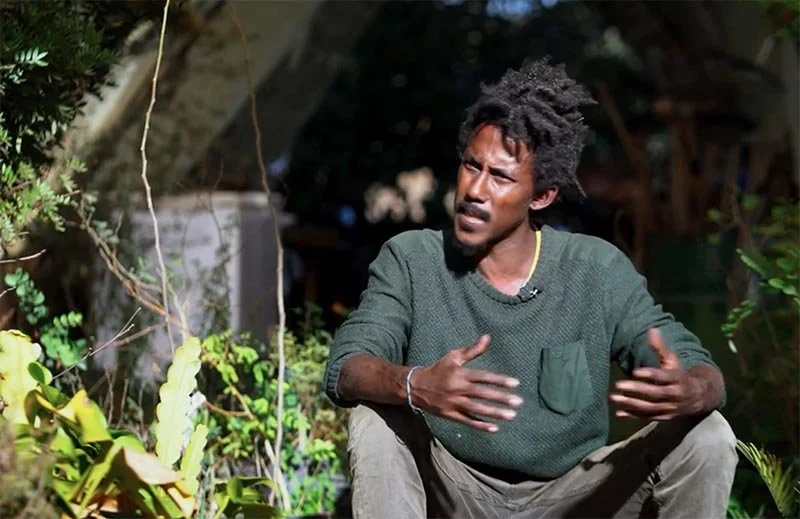
Kyle Smith has spent his adult life learning from land and sharing what he finds there. He trained in horticulture, completed an internship at Soil for Life in Cape Town, worked at Kirstenbosch Botanical Gardens conserving indigenous plant species and establishing education gardens, and spent three years at Panya Project in Thailand facilitating permaculture and organic gardening courses.
He is now based in southern Portugal, building Casa Tartaruga, a regenerative homestead rooted in small-scale food production, plant conservation, and propagation. His work centres on planetary regeneration through individual empowerment: the belief that education and hands-on capacity building, multiplied across many people and places, is one of the most meaningful contributions a person can make.
His teaching is unhurried, practical, and grounded in genuine curiosity about how living systems work.
Hear From Past Participants
This film gives you a feel for what the two weeks look like. The land, the learning, and the people who have been through it.
Location & Logistics
A Quinta da Lage is a working permaculture off-grid farm just outside São Luís, with beautiful landscapes, freshwater springs, wild forest, and peaceful camping areas.
Included in the fee:
● 3 wholesome vegetarian (vegan options available) meals/day
We can accommodate for gluten free or other requirements with prior notice.
● All tools, materials & tuition
● Permaculture Design Certificate on completion
Private rooms/cottages available on request (extra fee).
Prices
€1280 with your own caravan or tent in our camping site
€1520 with accommodation in dormitory
We have private cottages, rooms and bell tents available, if you prefer this option please contact us to inquire about availability and pricing.
These prices include all meals, the tuition fee and all materials. Hosting courses and workshops helps A Quinta to continue to develop the regenerative systems on the land. The money paid for your course fee will be divided between A Quinta and the facilitators, meaning A Quinta can go forward with developing the project, paying staff and purchasing materials, and the facilitators can continue with their passion to teach and inspire.
Contact: Please feel free to email us on events@aquinta.org for any additional information you may need.
Payment: We kindly request a non-refundable deposit of €400 from all registrants to confirm their spot. After completing the form, you will be directed to the payment page. The remaining fees can be settled in cash upon arrival or transferred to A Quinta's bank account on the first day of the course.
Please Note: In the unlikely event of us canceling the course, your deposit will be refunded in full; additionally, we will however not be held responsible for any other financial losses.
Deposits are non-refundable if you choose to cancel. If cancellation is made less 7 days prior to the course starting date, we ask for a contribution of 75% of the course fee to cover our losses. We will accept late bookings if there is space available.
Ready to join us?
We keep the group small, usually around 8 to 12 people. If this course has been on your mind, now is a good time.
Join with a friend and receive 10% off • Early bird 10% available till 17 September • One offer per booking